Blog

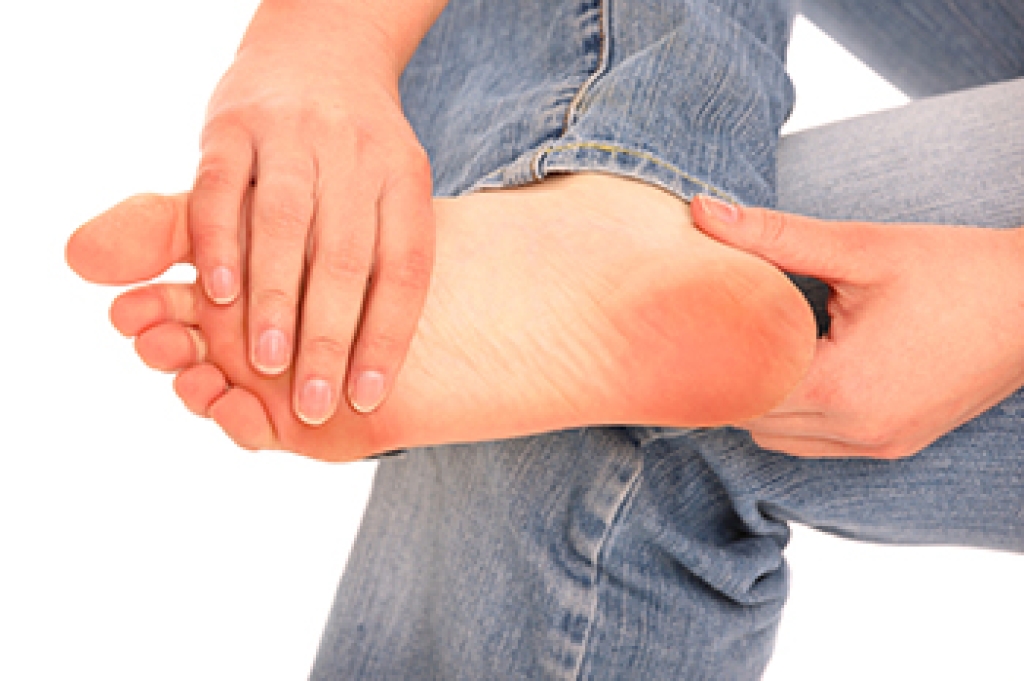
What Causes Pain on the Bottom of the Foot

Pain on the bottom of the foot can affect the heel, arch, or ball. Sharp pain between the heel and arch, especially with the first steps after rest, can point to plantar fasciitis. This condition involves irritation of the strong band of tissue that supports the arch. Burning or shooting pain near the toes can be linked to Morton’s neuroma, which is a thickened, irritated nerve. Corns, calluses, and plantar warts can also hurt when pressure is placed on them.

Foot pain can begin after running, another intense activity, or a sudden injury. Wearing shoes that are too tight or that lack proper support can place added stress on the foot. A low or fallen arch can also shift pressure to areas that are not built to handle it. Swelling and bruising after repetitive exercise can signal a sprain or a stress fracture. Severe pain after an injury, an unusual foot shape, or trouble putting weight on the foot requires prompt professional medical attention. People with diabetes should have new foot pain checked quickly because small problems can become serious.

A podiatrist can examine the painful area, study how the foot moves, and review when the symptoms began. The evaluation can include imaging to check for a fracture or another hidden injury. Treatment depends on the cause and can include custom orthotics, activity changes, or in-office care for painful skin growths. Orthotics are shoe inserts made to improve support and reduce pressure. A podiatrist can also recommend shoes with the right fit and support for your foot structure. Early diagnosis can keep a minor concern from limiting work, exercise, and daily movement. Surgery is reserved for certain problems that do not respond to other treatments. If you have pain on the bottom of the foot, it is suggested that you schedule an appointment with a podiatrist for an accurate diagnosis and appropriate treatment.

Foot Pain

Foot pain can be extremely painful and debilitating. If you have a foot pain, consult with one of our podiatrists from Family Foot Care. Our doctors will assess your condition and provide you with quality foot and ankle treatment.

Causes

Foot pain is a very broad condition that could be caused by one or more ailments. The most common include:

  • Bunions
  • Hammertoes
  • Plantar Fasciitis
  • Bone Spurs
  • Corns
  • Tarsal Tunnel Syndrome
  • Ingrown Toenails
  • Arthritis (such as Gout, Rheumatoid, and Osteoarthritis)
  • Flat Feet
  • Injury (from stress fractures, broken toe, foot, ankle, Achilles tendon ruptures, and sprains)
  • And more

Diagnosis

To figure out the cause of foot pain, podiatrists utilize several different methods. This can range from simple visual inspections and sensation tests to X-rays and MRI scans. Prior medical history, family medical history, and any recent physical traumatic events will all be taken into consideration for a proper diagnosis.

Treatment

Treatment depends upon the cause of the foot pain. Whether it is resting, staying off the foot, or having surgery; podiatrists have a number of treatment options available for foot pain.

If you have any questions, please feel free to contact our offices located in Valatie, NY . We offer the newest diagnostic and treatment technologies for all your foot care needs.


Read more about Foot Pain

Heel Pain and Podiatric Guidance

Heel pain can range from a mild ache to discomfort that makes walking difficult. The heel is the largest bone in the foot and handles significant pressure with each step. Pain can develop after injury or repeated stress. Plantar fasciitis occurs when excessive pressure damages the thick band of tissue that supports the bottom of the foot, leading to pain and stiffness. Achilles tendonitis can also cause heel pain when the tendon connecting the calf muscles to the heel becomes irritated from overuse.

Other causes of heel pain include sprains, fractures, and bursitis. Bursitis affects small, fluid-filled sacs that cushion areas where tissues meet bone. Certain forms of arthritis can also produce heel discomfort. Symptoms deserve prompt attention when pain begins suddenly or becomes severe. Redness and swelling are other warning signs. Heel pain can change the way a person walks, which can affect balance and increase the risk of falling. Finding the cause is important because different heel problems require different approaches to treatment.

A podiatrist can evaluate heel pain by examining the foot and asking when the symptoms started. The examination can help determine whether the problem involves the plantar fascia, Achilles tendon, or another structure. Imaging, like an X-ray, can provide more information when a bone injury or another problem is suspected. Treatment depends on the cause and severity of the pain. A podiatrist can recommend supportive devices that reduce pressure on painful areas and improve foot support. Proper treatment can help protect mobility and reduce the chance of further injury. If you have heel pain, it is suggested that you schedule an appointment with a podiatrist for a diagnosis and appropriate treatment.

Many people suffer from bouts of heel pain. For more information, contact one of our podiatrists of Family Foot Care. Our doctors can provide the care you need to keep you pain-free and on your feet.

Causes of Heel Pain

Heel pain is often associated with plantar fasciitis. The plantar fascia is a band of tissues that extends along the bottom of the foot. A rip or tear in this ligament can cause inflammation of the tissue.

Achilles tendonitis is another cause of heel pain. Inflammation of the Achilles tendon will cause pain from fractures and muscle tearing. Lack of flexibility is also another symptom.

Heel spurs are another cause of pain. When the tissues of the plantar fascia undergo a great deal of stress, it can lead to ligament separation from the heel bone, causing heel spurs.

Why Might Heel Pain Occur?

  • Wearing ill-fitting shoes                
  • Wearing non-supportive shoes
  • Weight change           
  • Excessive running

Treatments

Heel pain should be treated as soon as possible for immediate results. Keeping your feet in a stress-free environment will help. If you suffer from Achilles tendonitis or plantar fasciitis, applying ice will reduce the swelling. Stretching before an exercise like running will help the muscles. Using all these tips will help make heel pain a condition of the past.

If you have any questions, please feel free to contact our offices located in Valatie, NY . We offer the newest diagnostic and treatment technologies for all your foot care needs.

Read more about Heel Pain

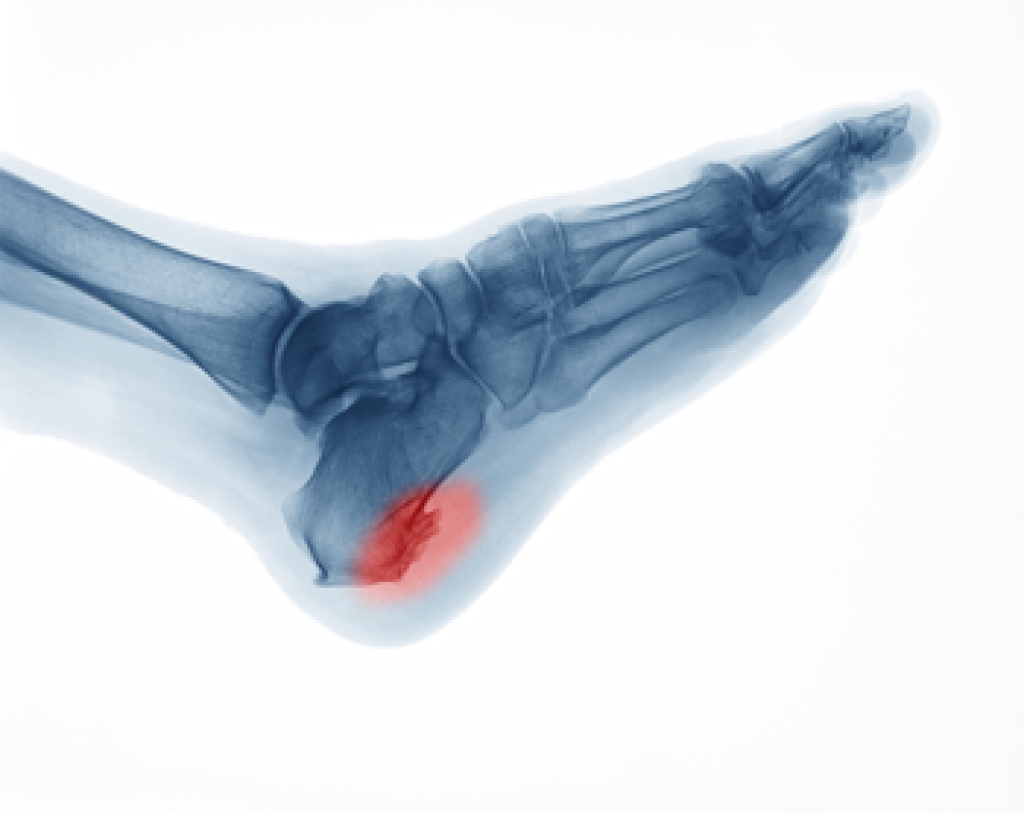
Heel Pain From Plantar Fasciitis

Plantar fasciitis develops when the strong band of tissue along the bottom of the foot becomes irritated from repeated strain. This band, called the plantar fascia, supports the arch and helps absorb pressure while walking. When it becomes inflamed, it can cause heel pain that ranges from a dull ache to a sharp stabbing feeling. Many patients notice the discomfort when taking their first steps after getting out of bed. Pain also becomes worse after standing or walking for long periods of time, especially on hard surfaces. Some people feel soreness only in the heel, while others notice pain that extends into the arch. Because several foot problems create similar symptoms, an accurate diagnosis is important before treatment begins.

Repeated stress on the plantar fascia is the leading cause of plantar fasciitis. Running, long hours of standing, and frequent walking can place extra pressure on this tissue. Risk factors include flat feet, high arches, and a tight Achilles tendon, which is the strong cord connecting the calf muscles to the heel bone. Carrying extra body weight also increases strain on the bottom of the foot. Wearing shoes that lack proper support or do not fit correctly can add even more pressure. People between 40 and 60 years old develop this condition more frequently, although younger adults can also experience it.

A podiatrist performs a thorough examination, reviews symptoms, watches how you walk, and determines whether plantar fasciitis is causing your heel pain. This foot doctor then creates a treatment plan that matches the cause and severity of the condition. Custom orthotics help support the arch and reduce stress on the plantar fascia. Shoes that improve foot support and reduce repeated strain while walking may be suggested. Prompt diagnosis supports comfort and long-term mobility. If you have heel pain, it is suggested that you schedule an appointment with a podiatrist who can accurately diagnose and treat plantar fasciitis.

Plantar fasciitis can be very painful and inconvenient. If you are experiencing heel pain or symptoms of plantar fasciitis, contact one of our podiatrists  from Family Foot Care. Our doctors can provide the care you need to keep you pain-free and on your feet.

What Is Plantar Fasciitis?

Plantar fasciitis is the inflammation of the thick band of tissue that runs along the bottom of your foot, known as the plantar fascia, and causes mild to severe heel pain.

What Causes Plantar Fasciitis?

  • Excessive running
  • Non-supportive shoes
  • Overpronation
  • Repeated stretching and tearing of the plantar fascia

How Can It Be Treated?

  • Conservative measures – anti-inflammatories, ice packs, stretching exercises, physical therapy, orthotic devices
  • Shockwave therapy – sound waves are sent to the affected area to facilitate healing and are usually used for chronic cases of plantar fasciitis
  • Surgery – usually only used as a last resort when all else fails. The plantar fascia can be surgically detached from the heel

While very treatable, plantar fasciitis is definitely not something that should be ignored. Especially in severe cases, speaking to your doctor right away is highly recommended to avoid complications and severe heel pain. Your podiatrist can work with you to provide the appropriate treatment options tailored to your condition.

If you have any questions, please feel free to contact our offices located in Valatie, NY . We offer the newest diagnostic and treatment technologies for all your foot care needs.
Read more about Plantar Fasciitis

Reminder: When Was the Last Time...?

Custom orthotics, or shoe inserts, should be periodically replaced. Orthotics must fit properly to give you the best results. Protect your feet and ankles!

Heel Spurs and the Benefits of Early Podiatry Care

Heel spurs are bony growths that develop on the underside or back of the heel bone. They often form gradually after repeated stress is placed on the foot and may be associated with plantar fasciitis or Achilles tendon problems. Although some heel spurs do not cause symptoms, others can lead to ongoing heel pain that makes standing or walking uncomfortable. Many people describe the pain as sharp when taking their first steps or after long periods of rest. Others notice aching or tenderness that becomes worse after spending time on their feet. Because heel pain has many possible causes, a professional evaluation is important to determine whether a heel spur is responsible for the symptoms.


Repeated strain on the tissues attached to the heel can contribute to the formation of heel spurs. Risk factors include prolonged standing, excess body weight, and activities that place repeated stress on the feet. Foot structure may also play a role in how pressure is distributed across the heel. Persistent heel pain can change the way a person walks, placing additional stress on the ankles, knees, and hips. A thorough examination helps identify the source of the discomfort and determine whether other foot conditions are contributing to the problem. Early diagnosis supports more effective treatment and helps reduce the risk of long-term mobility issues.


A podiatrist specializes in diagnosing and treating heel spurs by evaluating foot structure, walking mechanics, and overall function. Treatment is tailored to each patient's condition and focuses on relieving pain, improving mobility, and reducing stress on the affected tissues. Early podiatry care may also help prevent symptoms from becoming more severe or limiting daily activities. Regular follow-up allows treatment to be adjusted as recovery progresses and foot function improves. If heel pain is interfering with your comfort or mobility, it is suggested that you consult a podiatrist for an evaluation and appropriate treatment options.

Heel spurs can be incredibly painful and sometimes may make you unable to participate in physical activities. To get medical care for your heel spurs, contact one of our podiatrists from Family Foot Care. Our doctors will do everything possible to treat your condition.

Heels Spurs

Heel spurs are formed by calcium deposits on the back of the foot where the heel is. This can also be caused by small fragments of bone breaking off one section of the foot, attaching onto the back of the foot. Heel spurs can also be bone growth on the back of the foot and may grow in the direction of the arch of the foot.

Older individuals usually suffer from heel spurs and pain sometimes intensifies with age. One of the main condition's spurs are related to is plantar fasciitis.

Pain

The pain associated with spurs is often because of weight placed on the feet. When someone is walking, their entire weight is concentrated on the feet. Bone spurs then have the tendency to affect other bones and tissues around the foot. As the pain continues, the feet will become tender and sensitive over time.

Treatments

There are many ways to treat heel spurs. If one is suffering from heel spurs in conjunction with pain, there are several methods for healing. Medication, surgery, and herbal care are some options.

If you have any questions, please feel free to contact our offices located in Valatie, NY . We offer the newest diagnostic and treatment technologies for all your foot care needs.

Read more about Heel Spurs
Connect with us