Blog

What Causes a Black Toenail?

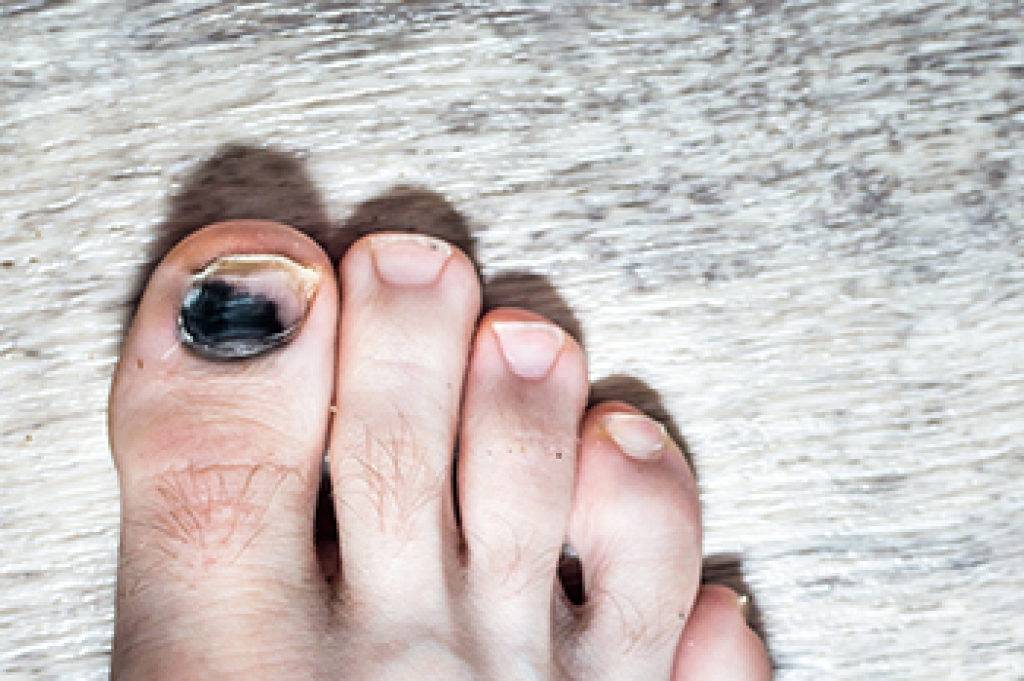
A black toenail is a condition where the toenail becomes darkened or discolored due to changes under or within the nail. The discoloration may appear black, purple, or dark red, depending on the cause. A black toenail is often related to bleeding beneath the nail, known as a subungual hematoma, but it can also develop from other conditions. Understanding the causes and symptoms can help determine when professional evaluation is needed.

Symptoms of a black toenail may include dark discoloration, swelling, and pressure under the nail. In some cases, the nail may become loose or separate from the nail bed. Pain is common when blood collects under the nail and creates pressure. Some individuals may not experience discomfort, especially when discoloration develops gradually. Changes in nail appearance should be monitored because they may indicate trauma, infection, or another underlying concern.


The causes of a black toenail often involve repetitive trauma or blunt force injuries. Repetitive trauma commonly occurs in runners, hikers, and athletes when the toes repeatedly hit the inside of a shoe during activity. Wearing shoes that are too tight can increase pressure and cause irritation beneath the nail. Blunt force, such as dropping an object on the toe or stubbing the toe, can also damage blood vessels under the nail. Fungal infections may cause darkened or thickened nails and can sometimes contribute to nail discoloration.


Risk factors for developing a black toenail include participating in high-impact activities, wearing improper footwear, and experiencing repeated pressure on the toes. Individuals with circulation concerns or certain medical conditions may also require closer monitoring of nail changes. Properly fitted shoes, wearing protective footwear, and attention to foot care can help reduce the risk of injury. If you have a black toenail, it is suggested that you consult a podiatrist for effective relief and treatment solutions. 

Toe pain can disrupt your daily activities. If you have any concerns, contact one of our podiatrists of Family Foot Care. Our doctors can provide the care you need to keep you pain-free and on your feet.

What Causes Toe Pain?

Most severe toe pain is caused due to a sports injury, trauma from dropping something heavy on the toe, or bumping into something rigid. Other problems can develop over time for various reasons.

Toe pain can be caused by one or more ailments. The most common include:

  • Trauma
  • Sports injury
  • Wearing shoes that are too tight
  • Arthritis
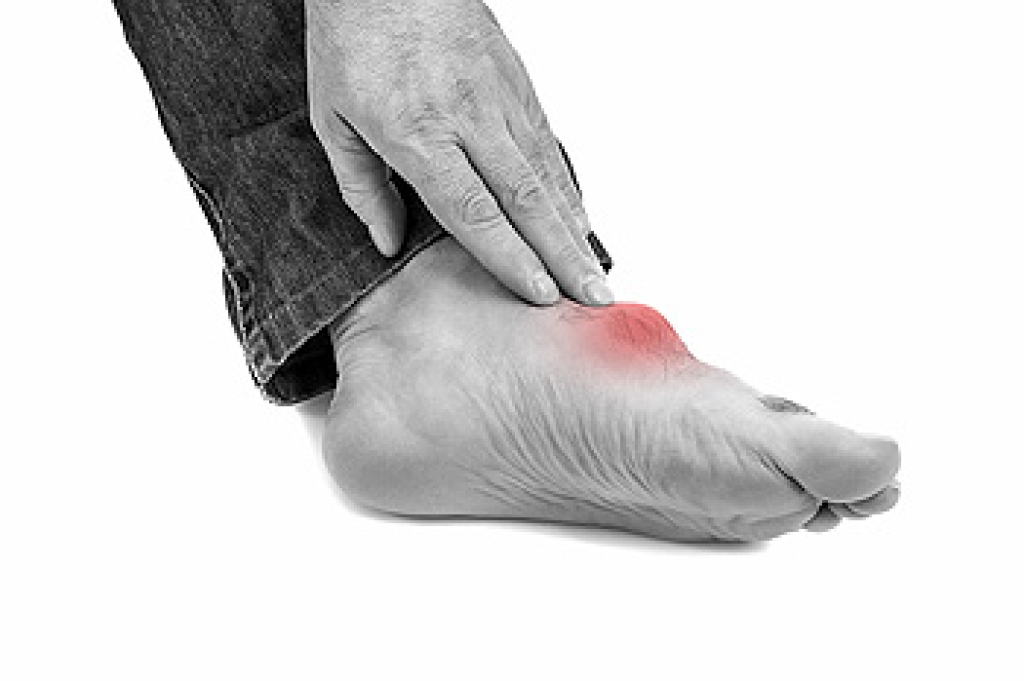
  • Gout
  • Corns and calluses
  • Hammertoe
  • Bunions
  • Blisters
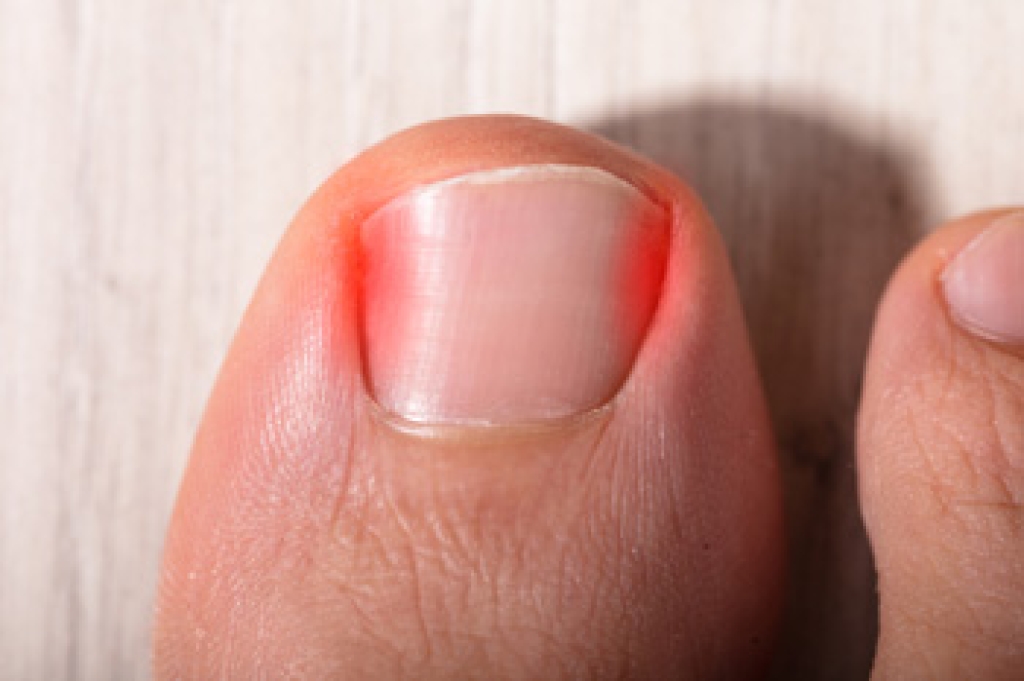
  • Ingrown toenails
  • Sprains
  • Fractures (broken bones)
  • Dislocations

When to See a Podiatrist

  • Severe pain
  • Persistent pain that lasts more than a week
  • Signs of infection
  • Continued swelling
  • Pain that prevents walking

Diagnosis

In many cases the cause of toe pain is obvious, but in others, a podiatrist may want to use more advanced methods to determine the problem. These can range from simple visual inspections and sensation tests to X-rays and MRI scans. Prior medical history, family medical history, and any recent physical traumatic events will all be taken into consideration for a proper diagnosis.

Treatment

Treatments for toe pain and injuries vary and may include shoe inserts, padding, taping, medicines, injections, and in some cases, surgery. If you believe that you have broken a toe, please see a podiatrist as soon as possible.

If you have any questions please contact our offices located in Valatie, NY . We offer the newest diagnostic and treatment technologies for all your foot and ankle needs.

Read more about Toe Pain

Plantar Warts Can Be Treated!

Plantar warts are small growths that develop on parts of the feet that bear weight. They're typically found on the bottom of the foot. Don't live with plantar warts, and call us today!

Running Shoe Mistakes and Injury Prevention Tips

Wearing the wrong running shoes can negatively affect foot health, performance, and overall comfort during physical activity. Running shoes are designed to provide proper support, cushioning, and alignment based on an individual foot type and movement pattern. When shoes do not match these needs, they can disrupt natural biomechanics and increase stress on the feet. Over time, this mismatch can lead to discomfort and injury. Understanding the importance of proper footwear selection is essential for maintaining foot stability and preventing long-term damage.

Symptoms of wearing improper running shoes often include foot pain, discomfort, and reduced performance during activity. Runners may notice early fatigue, lack of support, or instability with each step. Continued use of unsuitable shoes can lead to premature wear and tear on the feet and surrounding joints. This may increase the risk of developing conditions such as blisters, toenail issues, and nerve related problems like neuromas. These symptoms can interfere with movement and limit the ability to maintain consistent physical activity.


Several causes contribute to problems associated with wearing incorrect footwear. Shoes that are too tight can compress the toes and create pressure points, while shoes that are too loose may fail to provide proper support. Lack of cushioning can increase impact stress, and poor arch support may lead to improper weight distribution. Choosing shoes based only on appearance rather than function can also contribute to these issues. Without proper fit and design, the feet are forced to compensate, which may lead to structural strain, over time.


Risk factors include high activity levels, improper gait mechanics, and lack of professional fitting when selecting running shoes. Selecting the right running shoes, replacing worn footwear, and paying attention to comfort can reduce risk. If you have foot conditions from wearing the wrong running shoes, it is suggested that you consult a podiatrist for effective relief tips, and additional guidance on how to choose the right shoes for your desired style of running.

For more information about walking shoes versus running shoes, consult with one of our podiatrists from Family Foot Care. Our doctors can measure your feet to determine what your needs are and help you find an appropriate pair of footwear.

Foot Health: The Differences between Walking & Running Shoes

There are great ways to stay in shape: running and walking are two great exercises to a healthy lifestyle. It is important to know that running shoes and walking shoes are not interchangeable. There is a key difference on how the feet hit the ground when someone is running or walking. This is why one should be aware that a shoe is designed differently for each activity.

You may be asking yourself what the real differences are between walking and running shoes and the answers may shock you.

Differences

Walking doesn’t involve as much stress or impact on the feet as running does. However, this doesn’t mean that you should be any less prepared. When you’re walking, you land on your heels and have your foot roll forward. This rolling motion requires additional support to the feet.

Flexibility – Walking shoes are designed to have soft, flexible soles. This allows the walker to push off easily with each step.

If you have any questions, please feel free to contact our offices located in Valatie, NY . We offer the newest diagnostic and treatment technologies for all your foot care needs.
Read more about Differences between Walking and Running Shoes
Connect with us